

Robotic cancer surgery represents a major advancement in modern oncologic treatment. By combining high-definition 3D visualization, articulated robotic instruments, and exceptional surgical precision, this technology allows surgeons to remove tumors accurately while preserving surrounding healthy tissues. Designed to reduce surgical trauma and accelerate recovery, robotic-assisted procedures are increasingly used worldwide for complex cancer surgeries.
Patients seeking Robotic cancer treatment in Vijayawada benefit from a minimally invasive approach that emphasizes precision, safety, and faster recovery. Under the leadership of Dr. Vijay Koduru, a leading cancer specialist in Vijayawada, patients receive individualized treatment plans that integrate advanced robotic technology with evidence-based oncological care.
What Is Robotic Cancer Surgery?
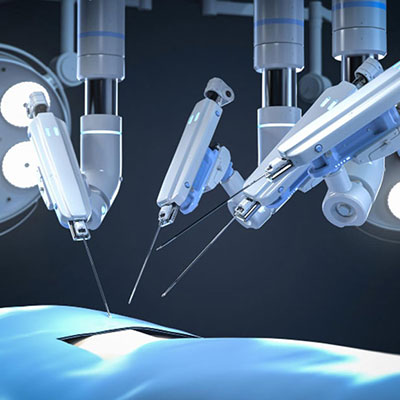
Robotic cancer surgery is a minimally invasive surgical technique performed using a sophisticated robotic platform controlled entirely by the surgeon. Unlike conventional open surgery, robotic procedures involve small incisions through which robotic arms equipped with advanced micro-instruments are inserted.
Key technological advantages include:
- High-definition magnified 3D visualization of surgical fields
- Tremor filtration that enhances precision
- Instruments capable of 360-degree articulation
- Greater control in narrow or delicate anatomical regions
The robotic system does not operate independently. Every movement is controlled by the surgeon, allowing complete command over surgical precision and patient safety.
Cancers Commonly Treated With Robotic Surgery
Robotic-assisted procedures are particularly beneficial for cancers located in anatomically complex or difficult-to-reach areas of the body.
These include:
- Gastrointestinal cancers such as colon, rectal, and stomach tumors
- Hepatobiliary and pancreatic cancers
- Urological cancers including prostate, kidney, and bladder tumors
- Gynecological cancers
- Selected head and neck cancers
For patients requiring advanced minimally invasive procedures, consultation with a Robotic cancer surgery specialist in Vijayawada can help determine whether robotic surgery is the most appropriate treatment option.
Advantages Of Robotic Cancer Surgery
Robotic technology provides several advantages compared with conventional open surgery and standard laparoscopic techniques.
Clinical Benefits
- Smaller incisions and minimal scarring
- Reduced blood loss during surgery
- Lower risk of infection
- Shorter hospital stay
- Faster postoperative recovery
Oncological Benefits
- Improved visualization of tumor margins
- Precise lymph node removal
- Better preservation of nerves and surrounding structures
- Enhanced accuracy during complex tumor resections
Because of these advantages, patients often experience less postoperative discomfort and return to normal daily activities sooner than with traditional surgical approaches.
The Surgical Process: What Patients Can Expect
Robotic cancer surgery follows a structured and carefully planned clinical pathway.
Comprehensive Preoperative Evaluation
Before surgery, patients undergo a detailed assessment including:
- Advanced imaging such as CT scans, MRI, or PET scans
- Laboratory investigations
- Multidisciplinary tumor board review
Personalized Surgical Planning
The surgical team evaluates tumor stage, anatomical complexity, and patient health to determine whether robotic surgery is the most suitable option.
Robotic-Assisted Procedure
During surgery:
- Small keyhole incisions are made
- A high-definition robotic camera provides magnified visualization
- Robotic instruments allow precise tumor removal with minimal tissue damage
Postoperative Recovery and Rehabilitation
After surgery, patients benefit from:
- Early mobilization
- Effective pain control
- Structured follow-up care and rehabilitation
These procedures are performed by the Best Robotic cancer surgeon in Vijayawada, ensuring meticulous tumor removal and optimal functional outcomes.
Why Choose Robotic Cancer Surgery?
Modern cancer treatment focuses not only on survival but also on preserving quality of life. Robotic surgery plays an important role in achieving both goals.
Patients often prefer robotic-assisted procedures because they provide:
- Improved cosmetic results
- Reduced postoperative pain
- Shorter recovery periods
- Greater surgical precision in delicate anatomical regions
Many patients choose robotic surgery under the care of the Best cancer surgeon in Vijayawada, where advanced technology is combined with specialized surgical expertise.
Multidisciplinary And Technology-Driven Cancer Care
Successful robotic oncology programs rely on coordinated teamwork between multiple medical specialties.
Comprehensive care typically includes collaboration among:
- Surgical oncology specialists
- Medical oncologists
- Radiation oncologists
- Radiologists and pathologists
- Physiotherapists and rehabilitation experts
This multidisciplinary approach ensures that patients receive integrated cancer treatment tailored to their specific diagnosis and overall health condition.
Safety, Outcomes, And Long-Term Surveillance
Robotic surgery follows internationally recognized oncological guidelines and safety standards. Long-term clinical studies have shown that robotic procedures offer:
- Comparable or improved cancer survival rates
- Reduced postoperative complications
- Better preservation of organ function
Following treatment, patients undergo regular follow-up visits, imaging studies, and clinical assessments to monitor recovery and detect any potential recurrence early.
Advanced Robotic Oncology Services In Vijayawada
Robotic cancer surgery represents the successful integration of surgical expertise and advanced technology. For patients seeking minimally invasive yet highly precise cancer treatment, robotic procedures provide a modern and effective option.
Consult Dr. Vijay Koduru for expert evaluation and personalized robotic oncology treatment planning. Early diagnosis combined with advanced robotic surgical techniques can significantly improve treatment success, recovery, and long-term quality of life.
Schedule your consultation today and take a decisive step toward precision-driven cancer care.